Poison Ivy Removal in Burlington County, NJ
Poison ivy removal services focus on safely eliminating this invasive plant from residential properties, including yards, gardens, and landscaped areas. These projects typically involve identifying and removing poison ivy vines, roots, and plants that pose a risk of skin irritation or allergic reactions. Homeowners often request this service when they notice poison ivy spreading across their property, especially in areas where children or pets play, or where landscaping and outdoor activities are common. Proper removal helps prevent further growth and reduces the danger of contact with the plant’s urushiol oil, which causes skin irritation.
Property owners should consider the extent of poison ivy growth and the location of affected areas before requesting removal services. It’s important to communicate whether the plants are in hard-to-reach spots, near structures, or within dense brush, as this can influence the approach taken. Understanding the scope of the project helps ensure effective removal and minimizes the risk of plant regrowth. Professional removal services often include tips on preventing future growth and maintaining a safe outdoor environment.
Many property owners in Burlington County, NJ look into Poison Ivy Removal for repairs, replacements, upgrades, and appearance-related improvements.
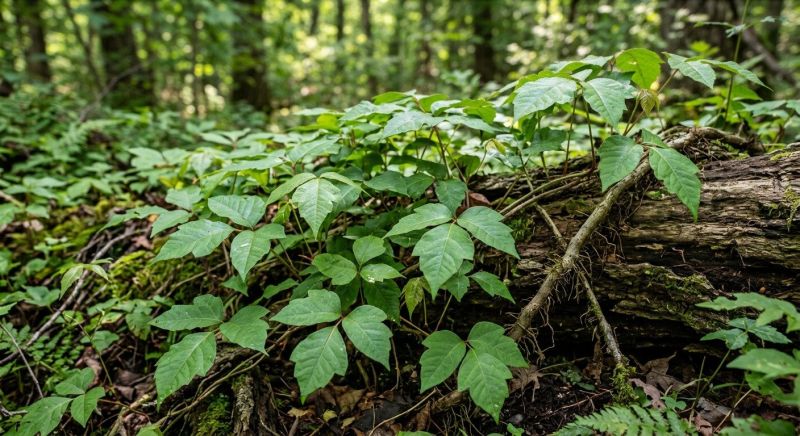
Identifying Poison Ivy
Understanding how to recognize poison ivy on residential and commercial properties in burlington county helps prevent exposure.
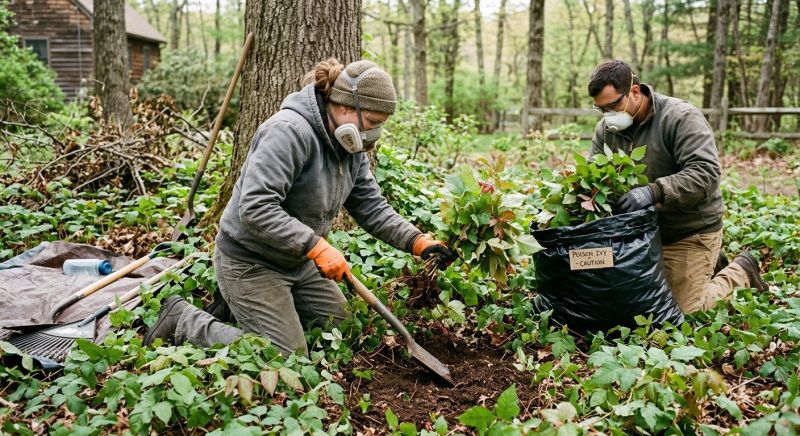
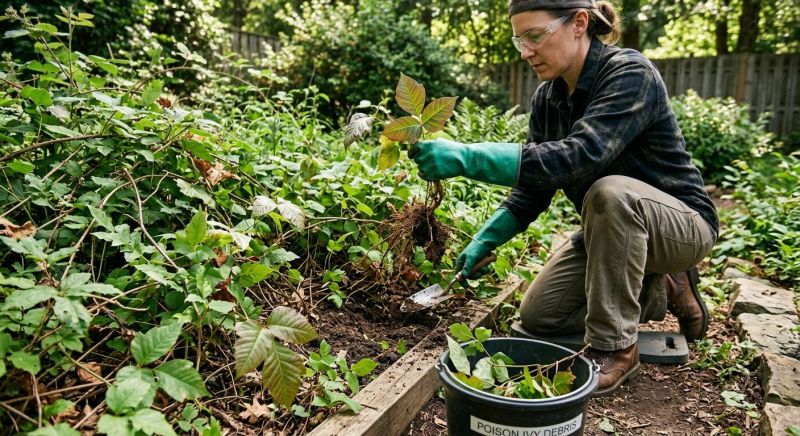
Safe Removal Methods
Professional removal ensures that poison ivy is eliminated safely without damaging surrounding plants or structures.
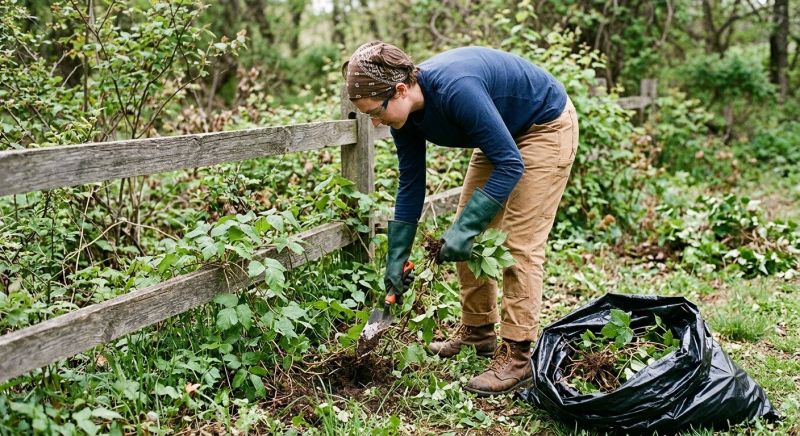
Preventative Solutions
Implementing ongoing control measures can reduce the risk of poison ivy regrowth on outdoor spaces in the area.
Poison Ivy Removal in Burlington County, NJ
Poison ivy removal services focus on safely eliminating this invasive plant from residential properties, including yards, gardens, and landscaped areas. These projects typically involve identifying and removing poison ivy vines, roots, and plants that pose a risk of skin irritation or allergic reactions. Homeowners often request this service when they notice poison ivy spreading across their property, especially in areas where children or pets play, or where landscaping and outdoor activities are common. Proper removal helps prevent further growth and reduces the danger of contact with the plant’s urushiol oil, which causes skin irritation.
Property owners should consider the extent of poison ivy growth and the location of affected areas before requesting removal services. It’s important to communicate whether the plants are in hard-to-reach spots, near structures, or within dense brush, as this can influence the approach taken. Understanding the scope of the project helps ensure effective removal and minimizes the risk of plant regrowth. Professional removal services often include tips on preventing future growth and maintaining a safe outdoor environment.
Many property owners in Burlington County, NJ look into Poison Ivy Removal for repairs, replacements, upgrades, and appearance-related improvements.
Common Poison Ivy Removal Jobs
Poison Ivy Removal - safely eliminates invasive plants from residential landscapes.
Yard Clearing - removes poison ivy from lawns, gardens, and outdoor spaces.
Property Maintenance - prevents regrowth through thorough removal of roots and vines.
Landscape Cleanup - restores the appearance of yards affected by poison ivy growth.
Vegetation Control - manages and controls invasive plant species to protect property.
Safety Removal - reduces the risk of skin irritation and allergic reactions on the property.
Poison Ivy Removal Questions
What is poison ivy removal? Poison ivy removal involves safely eliminating the plant from residential or commercial properties to prevent skin irritation and environmental spread.
Why should poison ivy be removed? Removing poison ivy reduces the risk of allergic reactions, prevents its spread to other areas, and maintains landscape safety.
What types of projects typically require poison ivy removal? Projects often include clearing overgrown yards, maintaining parks, or restoring areas where poison ivy has become invasive.
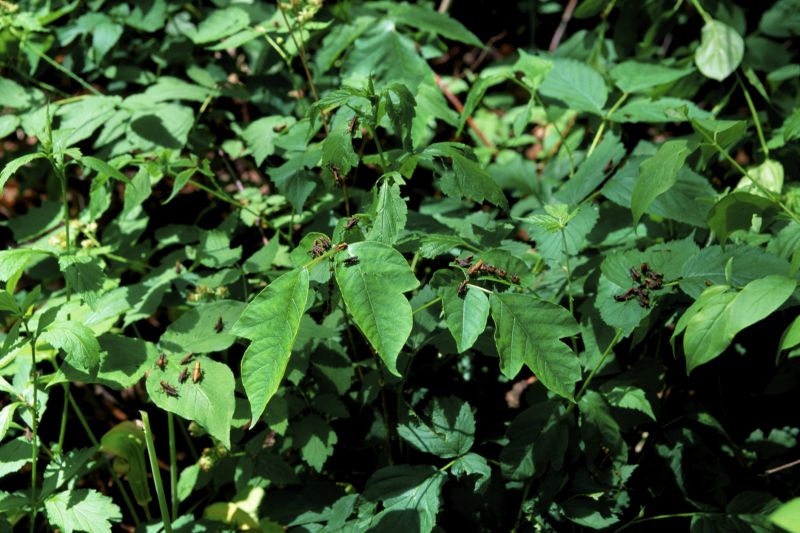
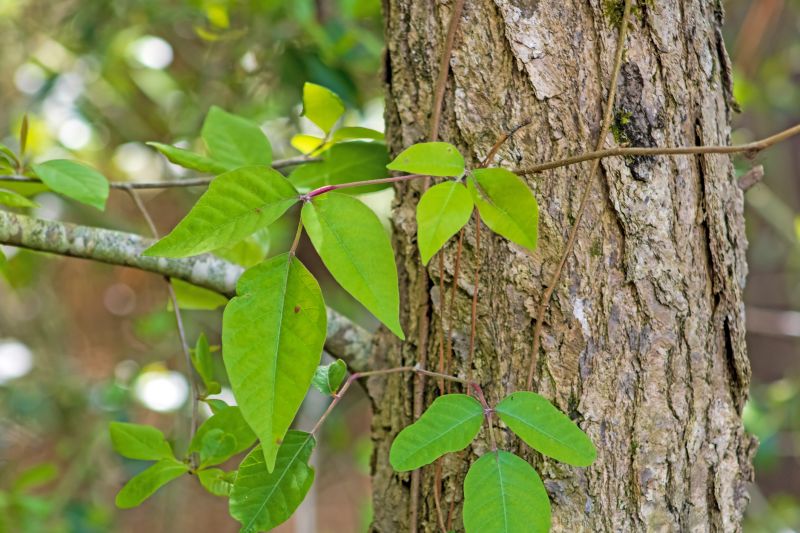
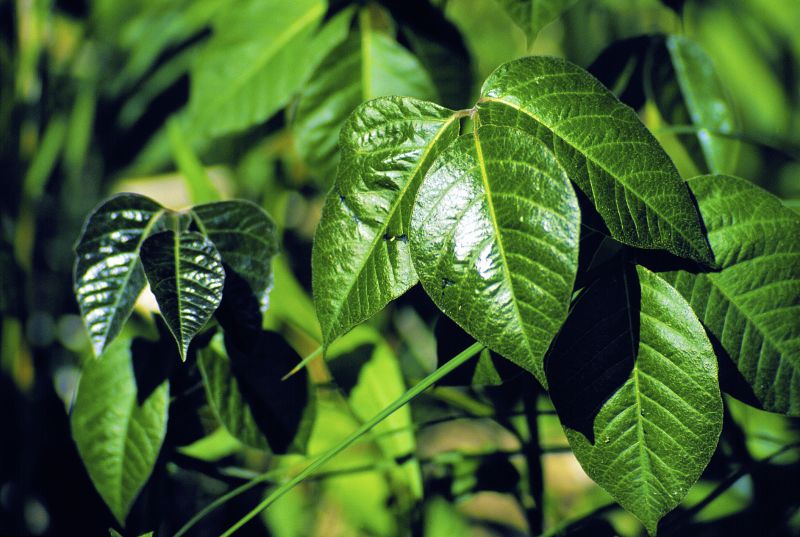
How can property owners identify poison ivy? Poison ivy usually features three leaflets with a glossy surface and can grow as a vine or shrub; caution is advised when identifying it.
Request Poison Ivy Removal in Burlington County, NJ
Use the quote form on this page to share the basics of your project and request more information for the type of work you need.